
Practical Pistol & Shotgun
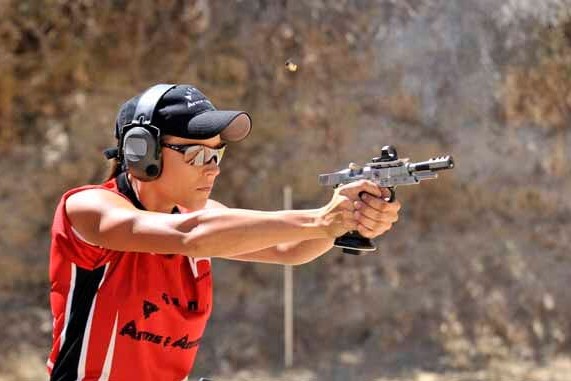
Practical Pistol (commonly referred to as Practical Shooting) is a dynamic and challenging shooting discipline that tests a competitor’s ability to balance accuracy, power, and speed.
Unlike traditional target shooting, where competitors remain stationary and fire at fixed targets, practical shooting involves moving across staged courses of fire, engaging targets from a variety of positions, distances, and angles.
This style of shooting is closely aligned with international practical shooting disciplines governed by organisations such as the International Practical Shooting Confederation (IPSC).
Key Features
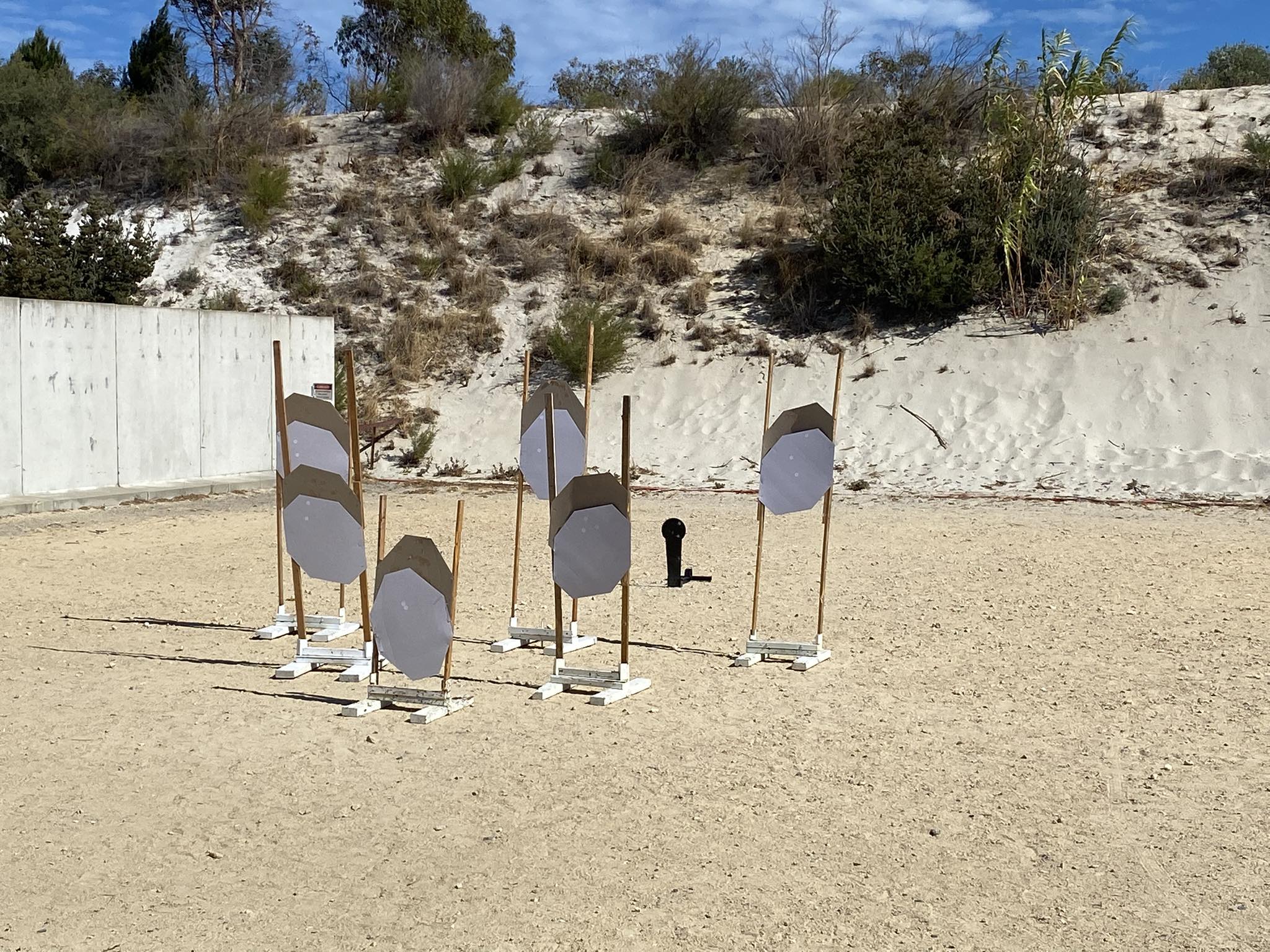
Dynamic Courses
Competitors move through carefully designed stages that may require:
- Shooting around barriers
- Engaging targets from awkward positions
- Shooting while moving
- Navigating obstacles
Each stage is unique and requires both planning and adaptability.
Varied Targets
Matches incorporate a mix of target types, including:
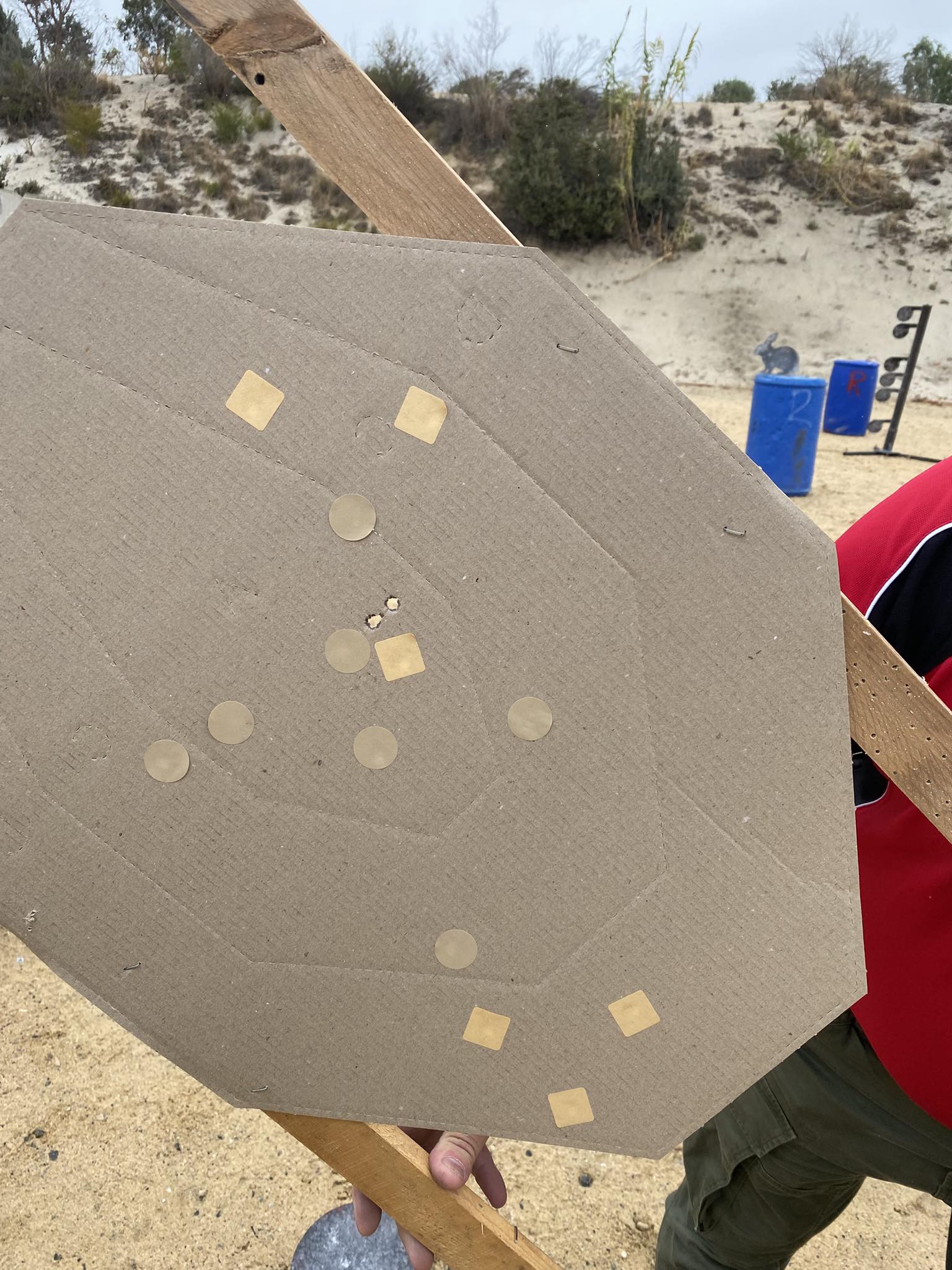
- Paper silhouette targets (scored for accuracy)
- Steel targets (reactive, often falling when hit)
- Moving or disappearing targets
This variety challenges shooters to quickly adjust their technique.
Scoring System (Hit Factor)
Scoring is based on a Hit Factor system, calculated as:
Points scored ÷ Time taken
This means:
- Faster shooting improves your score
- But accuracy is equally critical
The winner is the shooter who achieves the highest hit factor, balancing speed and precision.
Equipment
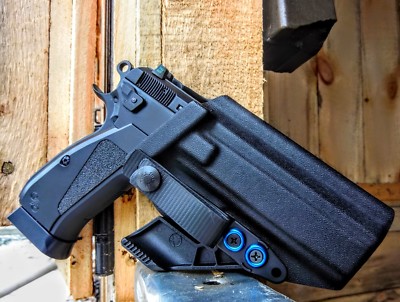
Competitors may use a wide range of firearms, including:
- Handguns
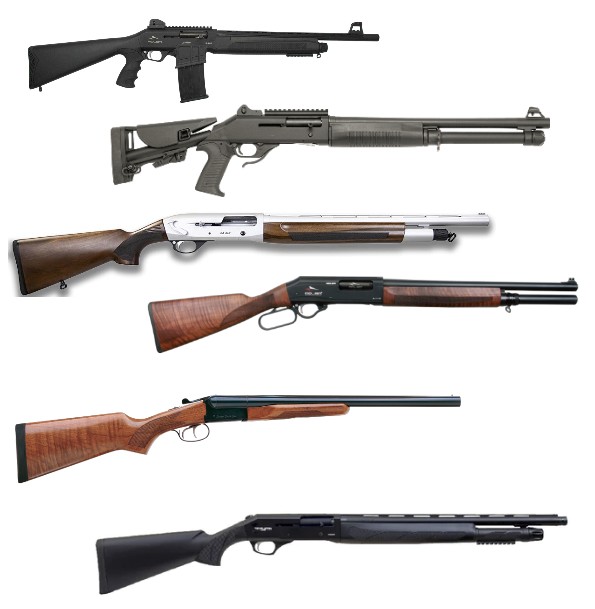
- Shotguns
Equipment ranges from:
- Standard factory firearms
- To highly customised competition (“race”) guns featuring:
- Optical (red dot) sights
- Recoil compensators
- Performance modifications
Common Divisions
To ensure fair competition, shooters are grouped into divisions based on their equipment:
- Open
- Highly modified pistols
- Optical sights and compensator
- Standard
- Semi-automatic pistols
- Limited modifications
- Iron sights
- Production
- Factory firearms
- Minimal modifications allowed
- Classic
- Based on traditional 1911-style pistols
- Revolver
- For competitors using revolvers (typically 6- or 8-shot)
Why Shooters Enjoy Practical Shooting
Practical Pistol & Shotgun is popular because it:
- Combines movement, strategy, and shooting skill
- Offers varied and engaging stages
- Rewards both speed and precision
- Provides a strong pathway to state, national, and international competition
In summary: Canning Practical Pistol & Shotgun is a fast-paced, action-oriented discipline that challenges shooters to think, move, and shoot efficiently under pressure.